

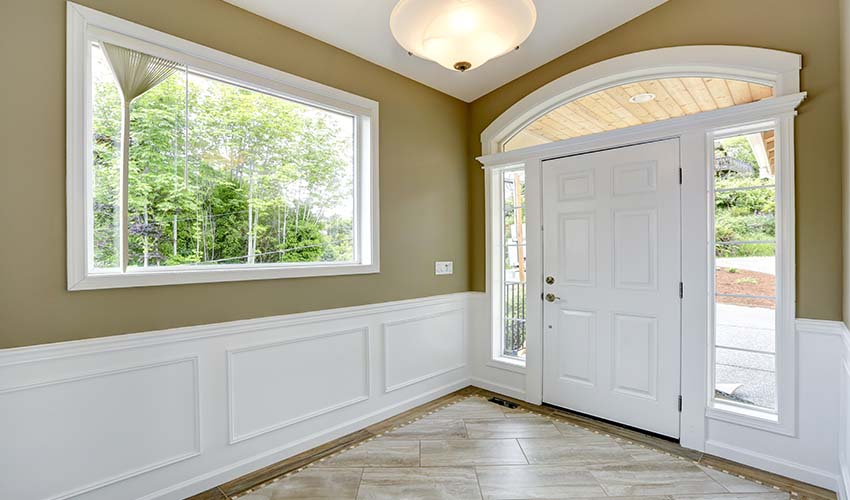
Interior finishes take a beating in Thailand. High humidity, frequent rain, and warm temperatures put constant pressure on the materials inside our homes. This is where polyurethane trim moulding (known as คิ้วบัวโพลียูรีเทรน in Thai) stands out. Made from dense, closed-cell foam, it resists moisture in ways that wood simply cannot match. For homeowners across Bangkok, Chiang Mai, and the coastal south, that resistance matters every single day.
Traditional wood mouldings often swell, warp, or crack once the wet season arrives. Termites add another layer of worry, and few pests thrive in Thai homes like they do. Polyurethane trim moulding avoids these problems entirely. It does not absorb water, and insects have no interest in it. You get clean lines and detailed profiles that hold their shape year after year, even in rooms without air conditioning.
Cost also plays a big role in most decisions. Polyurethane trim moulding weighs far less than plaster or hardwood, which makes it easier to transport, cut, and install. A single person can often fix long sections in place without heavy tools. Lower weight also means lower shipping costs, a real benefit when materials travel from the factory to sites in the provinces.
A Match for Thai Home Styles
Thai interiors often blend classic detail with modern comfort. Many homes feature ornate ceiling borders, decorative columns, and layered wall panels. Polyurethane profiles reproduce these intricate patterns with sharp precision. You can find everything from simple flat trims for a minimalist condo to elaborate cornices for a more traditional teak-inspired villa.
Painting is straightforward too. The smooth surface accepts primer and paint without special preparation, so you can match trims to any colour scheme. Popular choices include soft whites, warm creams, and metallic gold accents that suit both temple-influenced designs and contemporary layouts.
Practical Benefits for Everyday Living
Beyond looks, this material offers real day-to-day advantages:
- Easy maintenance: A quick wipe with a damp cloth keeps surfaces clean. No sanding or resealing required.
- Mould resistance: Because it repels water, it discourages the mildew that plagues humid rooms.
- Durability: It withstands minor knocks and daily wear far better than plaster, which chips easily.
- Consistent quality: Factory production means every length matches, so joints line up neatly.
These qualities make the product suitable for kitchens, bathrooms, and outdoor covered areas where dampness collects. Wood would struggle in these spots, but polyurethane holds firm.
Installation Made Simple
Fitting these mouldings takes basic skills. Cut each piece to length with a fine-tooth saw, apply adhesive, and press it into place. Fill any gaps with a flexible sealant, then paint over the joints for a seamless finish. Most sections require no nails, which reduces damage to your walls.
For Thai homeowners who want lasting results without constant repairs, polyurethane trim offers a sensible answer. It handles the climate, suits local design tastes, and keeps upkeep to a minimum. When you weigh durability, appearance, and value together, it becomes a smart choice for interior decoration in any Thai home.