

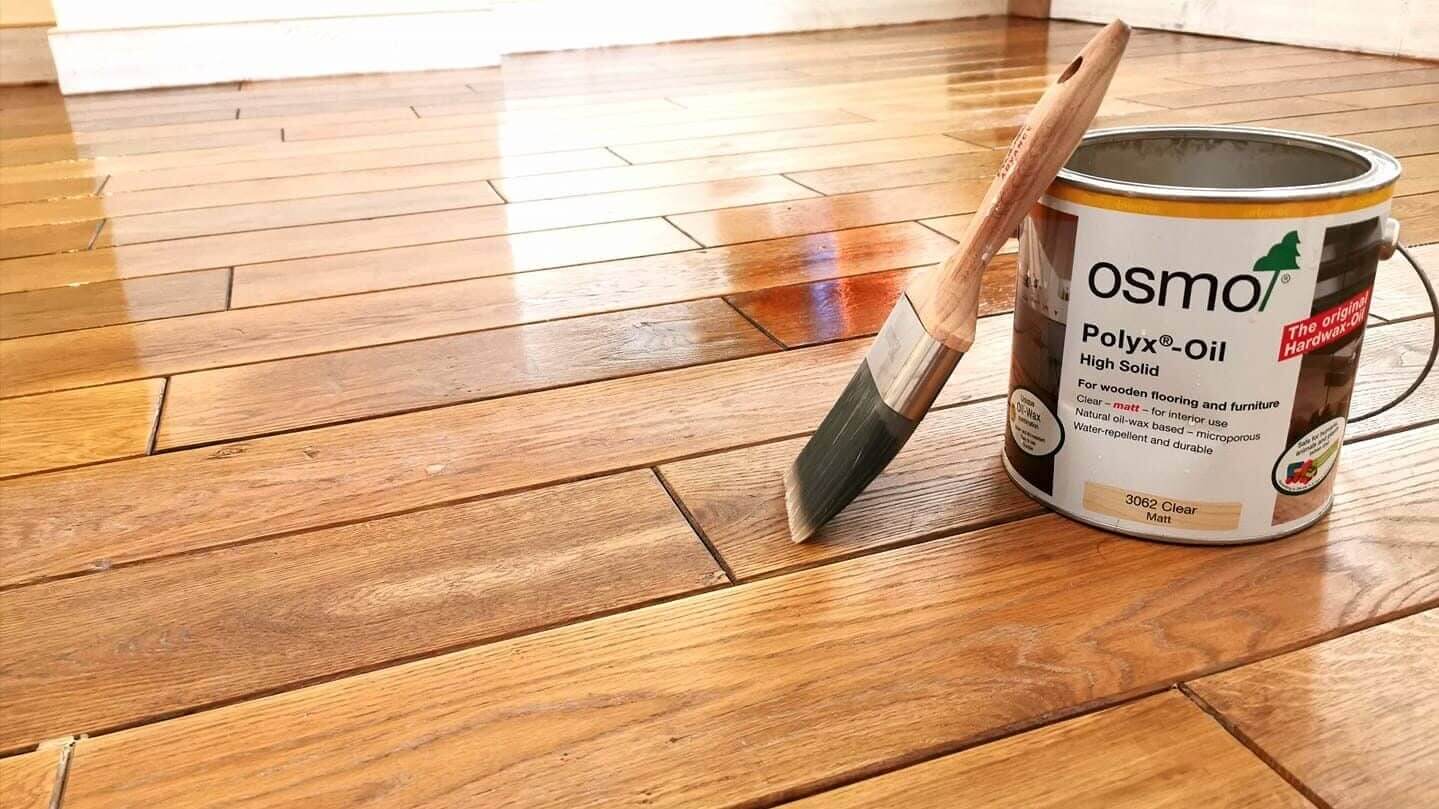
Timber brings warmth and character to any Australian home, but it needs the right finish to stay that way. Osmo oil has become a popular choice for protecting wood while keeping its natural grain on show. Picking the correct type for your surface makes all the difference to how your timber looks and lasts.
The first thing to settle is where the wood sits. Indoor floors, benchtops, and furniture face different pressures to decking, cladding, and outdoor seating exposed to harsh sun and rain. An osmo oil formulated for interior use won’t hold up against UV and moisture outside, so match the product to its location before anything else.
Climate plays a big part across Australia. Homes in tropical Queensland deal with humidity and heavy wet seasons, while properties in Victoria and Tasmania face cold snaps and damp winters. Coastal regions add salt spray into the mix. These conditions affect how often you need to reapply oil and which finish copes best. Choosing an osmo oil rated for your local weather helps your timber resist swelling, cracking, and fading over time.
Match the Oil to the Timber
Australian timbers each behave differently. Dense hardwoods like spotted gum, blackbutt, and jarrah have tight grains and natural oils of their own, which can slow absorption. Softer species such as pine or Victorian ash soak up finishes more readily. For oily hardwoods, allow extra drying time between coats. For open-grained timbers, you may find the surface drinks up more product than expected.
Reclaimed and recycled timber, common in many renovations, often needs testing first. Older boards can carry residues from past coatings, so sand back and patch-test a small area before committing to a full application.
Consider the Finish You Want
Oils come in different sheens, from matte to satin and gloss. Think about the mood of the room and the wear the surface will take. A dining table benefits from a hard-wearing finish that handles spills and scratches. Decking suits a natural matte look that hides dust and foot traffic.
Clear oils let the timber’s true colour show. Tinted versions add warmth or depth and can help even out patchy boards. Some products include UV pigments that slow greying on outdoor timber, which is worth weighing up for exposed surfaces.
Preparation and Application
A good result starts with clean, dry, sanded wood. Remove old finishes, dust, and grease. Apply thin, even coats rather than one thick layer, as timber absorbs oil better that way. Work in sections and wipe off excess before it sets.
Temperature matters during application. Avoid oiling in direct summer heat or when rain threatens, since both affect curing. Mild, dry days give the best finish.
Keeping It Looking Good
Oiled timber is easy to maintain. Reapply a fresh coat when the surface starts to look dry or dull, usually every year or two for outdoor use and less often indoors. Regular care keeps your wood protected and looking its best for many years.