

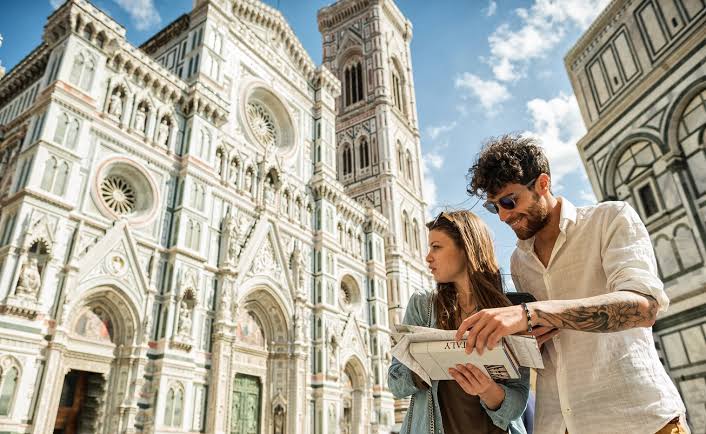
Traveling to a new destination can introduce people to unfamiliar traditions, languages, foods, architecture, and lifestyles. While sightseeing provides an overview of a place, meaningful travel often comes from understanding the culture behind what visitors see. A local guide can help travelers make that connection by sharing knowledge and experiences that go beyond basic tourist information.
Local guidance can make a journey more educational, personal, and memorable.
Discovering useful information about Toronto does not have to involve searching through countless sources. this website brings attention to the Greater Toronto Area and can help readers find ideas, local information, attractions, and activities. It offers a convenient starting point for anyone interested in exploring the region and learning more about Toronto.
Understand the Culture Around You
Culture can be seen in many parts of everyday life. From the way people prepare food to the design of buildings and the traditions followed during celebrations, local culture shapes the identity of a destination.
A local guide can explain these details and provide context that visitors might not discover on their own. Understanding the reasons behind traditions can make them more interesting and easier to appreciate.
Discover Traditional Places
Some of the most meaningful cultural experiences can happen in places that are not necessarily famous tourist attractions. Traditional markets, old neighborhoods, craft workshops, community spaces, and historic streets can reveal how local traditions have developed.
A knowledgeable local guide can help visitors discover these locations and understand their significance.
Exploring such places provides a more complete picture of the destination.
Learn the Stories Behind Local Traditions
Traditions are often connected to generations of history. A celebration, food, craft, or ceremony may have a story that explains why it remains important to the community.
A local guide can share these stories in a clear and engaging way. This gives travelers an opportunity to appreciate traditions instead of simply observing them.
Experience Local Cuisine
Food is one of the most accessible ways to explore another culture. Regional recipes often contain ingredients and techniques that reflect the history and environment of an area.
A local guide can introduce visitors to traditional dishes and explain how they are commonly prepared or enjoyed.
Travelers may discover flavors they would never have chosen without local recommendations.
Explore Local Arts and Crafts
Handmade products often represent a destination’s cultural identity. Local crafts may involve traditional materials, designs, and techniques that have been passed from one generation to another.
A local guide can point visitors toward areas where these crafts are created or displayed. Learning about the process can make purchasing a handmade item more meaningful.
Learn About Everyday Customs
Visitors may encounter customs that are unfamiliar to them. Understanding these practices can make interactions with residents more comfortable.
A local guide can explain common expectations involving greetings, clothing, dining, photography, public behavior, and visits to culturally important locations.
This knowledge encourages respectful travel and helps prevent accidental misunderstandings.
Ask Questions About Local Life
One of the benefits of having a local guide is the ability to ask questions during the experience. Travelers can learn about subjects that interest them personally.
They might ask about local celebrations, traditional foods, historic events, neighborhood life, or changes that have taken place over the years.
These conversations can add a personal dimension to the journey.
See Familiar Attractions Differently
Even well-known attractions can become more interesting when viewed through a cultural perspective. A building or monument may have a meaning that is not immediately obvious to visitors.
A local guide can explain the connection between the attraction and the surrounding community. This can turn a familiar sightseeing stop into an opportunity for deeper learning.
Create Meaningful Travel Memories
Cultural experiences often stay with travelers longer than ordinary sightseeing. Learning a traditional story, trying an unfamiliar dish, watching a craft being made, or understanding a local custom can become a lasting memory.
A local guide can help travelers find these experiences while providing the context needed to appreciate them.
Conclusion
A local guide can transform a basic trip into a richer cultural experience. By introducing travelers to traditional places, regional food, local arts, customs, and community stories, a guide can help visitors understand what makes a destination unique.
For travelers who want to experience more than attractions, local cultural knowledge offers a valuable way to connect with the people, history, and traditions of a place.