

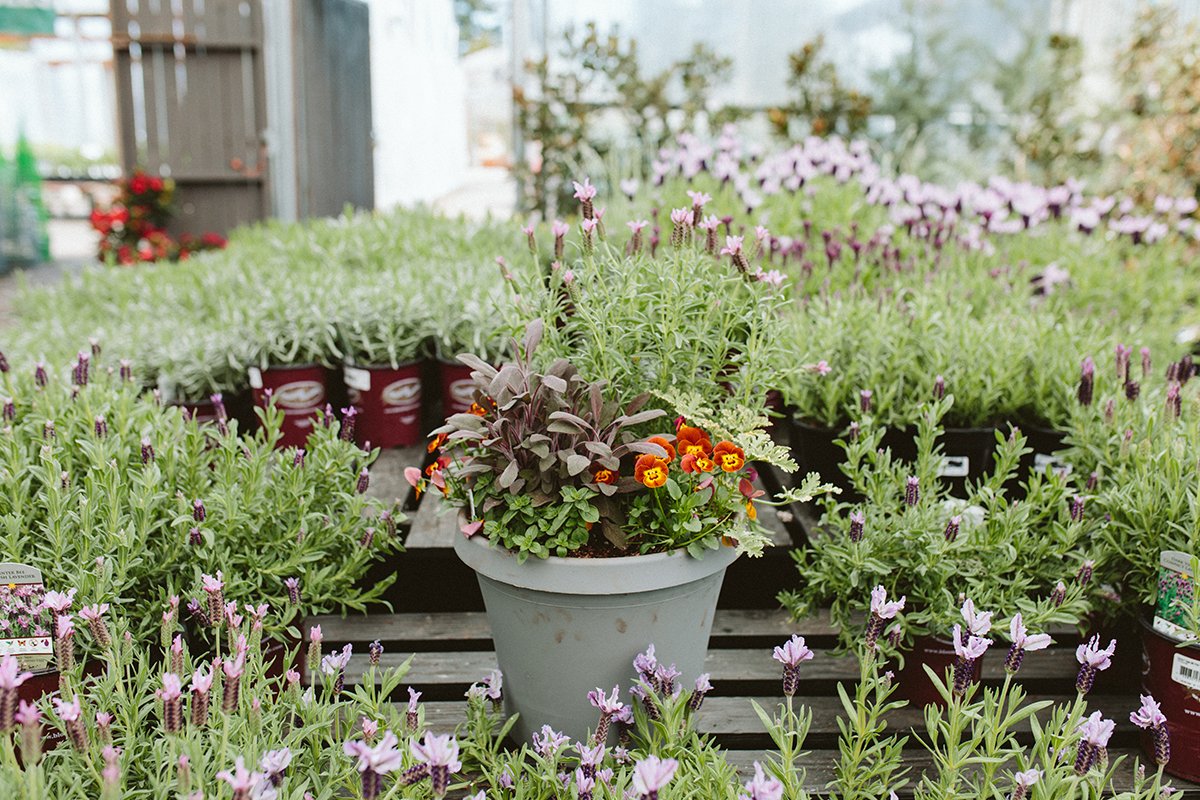
Blending edible plants with ornamental ones is no longer just a trend—it’s a smart, creative approach to gardening. A thoughtfully mixed garden can provide fresh food, seasonal color, and visual harmony all in the same space. Whether you garden in a backyard, balcony, or raised bed, combining beauty and function creates a landscape that feels both intentional and alive.
Why Combine Edible and Decorative Plants?
Traditional gardens often separate vegetables from flowers, but mixing them offers several advantages beyond aesthetics.
Key benefits include:
-
Improved visual appeal throughout the growing season
-
Better use of limited space, especially in small gardens
-
Natural pest control through plant diversity
-
A garden that feels less rigid and more organic
Edible plants like kale, chard, and herbs can be just as visually striking as many ornamental flowers.
Choosing Plants That Work Well Together
The success of a mixed garden starts with thoughtful plant selection. Look for edibles that offer strong texture, color, or form.
Visually Striking Edible Plants
-
Rainbow chard for bold stem colors
-
Purple basil for deep contrast
-
Artichokes for architectural height
-
Lettuce varieties with ruffled or red-tinted leaves
Decorative Plants That Complement Edibles
-
Marigolds to add warmth and deter pests
-
Nasturtiums, which are both edible and ornamental
-
Calendula for soft color and beneficial insects
Designing for Balance and Flow
A mixed garden should feel cohesive rather than crowded. Design principles used in ornamental landscaping apply just as well here.
Tips for Visual Harmony
-
Group plants in odd numbers for a natural look
-
Repeat colors or leaf shapes throughout the space
-
Use taller plants as focal points and smaller ones as fillers
-
Leave enough space for mature plant size
Avoid planting all vegetables in straight rows; gentle curves and clusters feel more intentional.
Color, Texture, and Seasonal Interest
A beautiful mixed garden evolves over time. Aim for interest in every season by layering plants with different growth habits.
Combine:
-
Fine textures (herbs like dill or fennel) with broad leaves (squash or cabbage)
-
Cool tones (silvery sage, lavender) with warm hues (tomatoes, peppers)
-
Early, mid, and late-season plants to avoid bare patches
This approach ensures your garden stays visually appealing even as crops are harvested.
Functional Beauty: Practical Considerations
While aesthetics matter, functionality should never be sacrificed.
Keep in mind:
-
Match plants with similar water and sunlight needs
-
Ensure good air circulation to prevent disease
-
Harvest regularly to maintain plant shape and health
Well-maintained edible plants often look better than neglected ornamentals.
Growing in Small Spaces and Containers
Mixed planting works exceptionally well in containers and raised beds.
Container Design Ideas
-
Center a pot with ornamental peppers, surround with trailing herbs
-
Pair cherry tomatoes with flowering companions
-
Use vertical supports for climbing edibles to add height
This method is ideal for patios, balconies, and urban gardens.
Common Mistakes to Avoid
Even experienced gardeners can struggle with mixed planting if they overlook a few basics.
Avoid:
-
Overcrowding plants
-
Ignoring mature size
-
Mixing plants with conflicting care needs
-
Letting harvested areas look bare without succession planting
A little planning goes a long way toward a polished look.
FAQ: Mixing Edible and Decorative Plants
1. Can edible plants really look as attractive as ornamental flowers?
Yes, many edible plants offer vibrant colors, unique textures, and strong forms that rival traditional ornamentals.
2. Is it safe to grow flowers next to vegetables?
It is safe as long as you avoid using chemical treatments and choose non-toxic, garden-safe plants.
3. Do mixed gardens attract more pests?
Actually, plant diversity often reduces pest problems by encouraging beneficial insects and confusing harmful ones.
4. How do I keep the garden looking neat after harvesting?
Practice succession planting and trim plants regularly to maintain structure and fullness.
5. Can this approach work in formal garden designs?
Absolutely. With careful spacing and repetition, mixed planting can look elegant and highly structured.
6. Are edible flowers good for mixed gardens?
Yes, edible flowers like nasturtiums and calendula add color while serving a culinary purpose.
7. What’s the best way to start a mixed garden as a beginner?
Begin with a small area, choose easy-to-grow plants, and focus on color and height balance rather than complexity.