
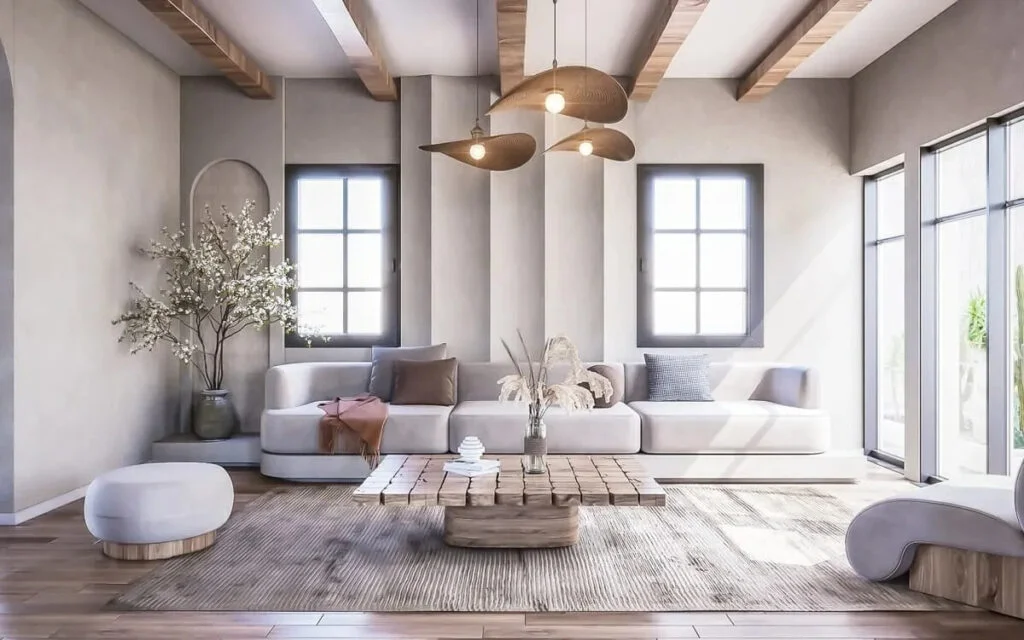
Minimalist home decor focuses on simplicity, clarity, and intentional living. Instead of filling rooms with unnecessary items, this approach prioritizes comfort, functionality, and visual calm. A thoughtfully designed minimalist space reduces distractions and supports better relaxation, productivity, and emotional balance.
Creating peaceful interiors through minimalism does not require expensive upgrades. Small changes in layout, color choices, and organization can make a noticeable difference.
Start With Decluttering Every Room
Minimalist decor begins with removing excess items that interrupt visual harmony.
Focus on keeping only what you truly use or appreciate:
- Remove unused furniture pieces
- Clear overcrowded shelves
- Store seasonal decorations separately
- Keep countertops mostly empty
Decluttering creates breathing space, which is the foundation of peaceful interiors.
Choose Neutral And Soft Color Palettes
Color strongly influences how calm a room feels. Minimalist interiors often rely on soft and balanced tones.
Recommended color choices include:
- Warm whites
- Light greys
- Soft beige tones
- Earth-inspired neutrals
These colors reflect natural light and help create visually quiet environments.
Select Functional Furniture With Clean Lines
Furniture in minimalist homes serves both purpose and style without appearing heavy or crowded.
Look for furniture that offers:
- Simple shapes without excessive detailing
- Hidden storage features
- Lightweight visual appearance
- Neutral upholstery tones
Functional furniture keeps the room organized while maintaining elegance.
Maximize Natural Lighting Whenever Possible
Natural light enhances openness and supports a peaceful atmosphere throughout the home.
Simple ways to improve lighting include:
- Using sheer curtains instead of thick drapes
- Keeping windows unobstructed
- Choosing light-colored wall finishes
- Positioning mirrors to reflect daylight
Bright interiors feel more spacious and calming.
Keep Decor Items Intentional And Meaningful
Minimalist spaces still include decorative pieces—but only those with purpose.
Consider adding:
- One statement artwork per wall
- A small indoor plant for freshness
- Ceramic or wooden accents
- Simple framed photographs
Limiting decorative objects reduces distraction and strengthens visual balance.
Use Natural Materials For Warmth And Comfort
Natural materials soften minimalist interiors and prevent them from feeling too plain.
Common materials that work well include:
- Wood finishes
- Linen fabrics
- Cotton textiles
- Indoor greenery
- Stone or clay accessories
These elements add texture without clutter.
Maintain Clear And Open Floor Space
Open flooring improves both movement and visual calmness.
To create better floor flow:
- Avoid placing furniture too close together
- Use compact storage units
- Keep pathways unobstructed
- Limit decorative floor items
Clear floor areas help rooms feel larger and more peaceful.
Organize Storage To Reduce Visual Noise
Hidden storage keeps daily-use items accessible without affecting room aesthetics.
Helpful storage ideas include:
- Under-bed storage containers
- Closed cabinets instead of open shelves
- Multi-purpose furniture with compartments
- Minimal entryway organizers
Organized storage supports long-term minimalist living.
Introduce Indoor Plants For Natural Balance
Plants bring life into minimalist spaces while maintaining simplicity.
Easy indoor plant choices include:
- Snake plants
- Peace lilies
- Rubber plants
- Small succulents
Greenery improves air freshness and adds gentle visual contrast.
Keep Lighting Soft And Layered
Artificial lighting should support relaxation rather than overwhelm the space.
Recommended lighting strategies:
- Warm-toned bulbs
- Table lamps for soft corners
- Floor lamps near seating areas
- Indirect wall lighting
Layered lighting creates a calm evening atmosphere.
Build A Simple Daily Maintenance Routine
Minimalist decor stays effective only when maintained regularly.
Practical daily habits include:
- Returning items to their storage places
- Wiping visible surfaces
- Avoiding unnecessary purchases
- Reviewing clutter weekly
Consistency keeps the space peaceful and functional over time.
Frequently Asked Questions (FAQs)
1. Does minimalist decor make a home feel empty?
No. Minimalist decor focuses on thoughtful arrangement rather than removing everything. The goal is balance, not emptiness.
2. Can minimalist decor work in small apartments?
Yes. Minimalism is especially effective in smaller homes because it improves space efficiency and reduces overcrowding.
3. Is minimalist home decor expensive to achieve?
Not necessarily. Many minimalist improvements involve reorganizing existing furniture and reducing unnecessary purchases.
4. How many decorative items should a minimalist room have?
A few meaningful decor items are enough. Quality and placement matter more than quantity.
5. Are minimalist interiors suitable for families?
Yes. With proper storage planning, minimalist spaces can remain practical and comfortable for family living.
6. How often should minimalist spaces be reorganized?
Light weekly organization and seasonal decluttering help maintain long-term simplicity.
7. Can colors other than white be used in minimalist homes?
Yes. Soft earth tones, greys, and muted natural shades work well while preserving a calm atmosphere.


