A roof is one of the most important structural components of any home, yet it’s often overlooked until problems appear. With the right care and timely maintenance, most roofs can last significantly longer than their expected service life. Extending your roof’s lifespan not only saves money but also protects your home from leaks, weather damage, and structural deterioration.
Below is a practical, homeowner-friendly guide to keeping your roof strong, efficient, and durable for years to come.
Inspect Your Roof Regularly
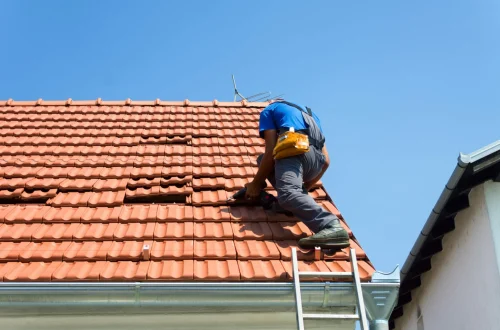
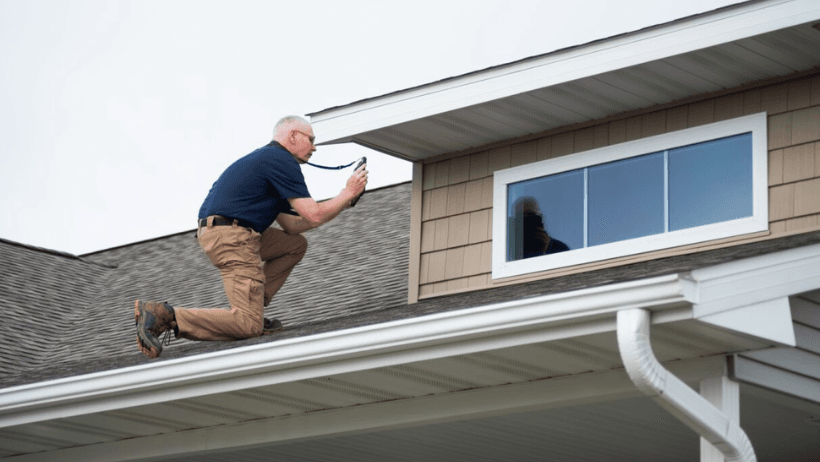
Routine inspections help identify small issues before they become expensive repairs. Ideally, check your roof twice a year—once before summer and once before winter.
Look for:
- Missing or cracked shingles
- Rusted flashing around vents and chimneys
- Moss or algae growth
- Sagging roof sections
- Loose gutters
If climbing the roof feels unsafe, inspect it from ground level using binoculars or hire a professional inspector.
Tip: After storms, always perform a quick visual check for damage.
Keep Gutters Clean and Functional
Clogged gutters trap water, which can seep beneath roofing materials and cause rot or mold.
To prevent this:
- Remove leaves and debris every few months
- Ensure downspouts direct water away from the foundation
- Install gutter guards if your home is surrounded by trees
Proper drainage protects both your roof and your home’s structure.
Trim Overhanging Tree Branches
Nearby tree branches can scratch shingles, drop debris, and encourage moss growth. During storms, branches may even break and damage roofing materials.
Maintain at least 6–10 feet of clearance between tree limbs and your roof.
Benefits of trimming branches include:
- Reduced moisture buildup
- Less debris accumulation
- Lower risk of storm damage
- Improved sunlight exposure
Sunlight helps keep roofing surfaces dry and mold-free.
Remove Moss, Algae, and Debris
Organic buildup traps moisture, which weakens roofing materials over time.
Safe removal methods include:
- Using a soft brush
- Applying gentle roof-cleaning solutions
- Installing zinc or copper strips to prevent regrowth
Avoid pressure washing, as it can loosen shingles and reduce their protective coating.
Ensure Proper Attic Ventilation
Poor ventilation traps heat and moisture inside your attic. Over time, this can warp shingles, increase energy costs, and shorten your roof’s lifespan.
Good ventilation helps:
- Regulate indoor temperature
- Prevent condensation buildup
- Reduce mold formation
- Protect insulation effectiveness
Balanced airflow through soffit and ridge vents keeps roofing materials stable year-round.
Fix Minor Repairs Immediately
Small problems rarely stay small. A loose shingle or minor leak can quickly escalate into structural damage if ignored.
Common early repairs include:
- Replacing damaged shingles
- Sealing flashing gaps
- Repairing minor leaks
- Tightening loose fasteners
Addressing issues early is one of the most effective ways to extend roof durability.
Improve Roof Insulation
Proper insulation works alongside ventilation to control temperature extremes inside your attic.
Advantages include:
- Reduced heat buildup in summer
- Prevention of winter condensation
- Lower energy consumption
- Extended shingle life
Insulation protects both roofing materials and indoor comfort levels.
Schedule Professional Roof Maintenance
Even if your roof looks fine from the outside, hidden issues may still exist. Professional maintenance ensures thorough inspection and preventative care.
Experts typically:
- Detect early structural weaknesses
- Check flashing integrity
- Inspect ventilation performance
- Identify moisture intrusion risks
Annual professional inspections significantly increase roof longevity.
Choose Quality Roofing Materials for Repairs
Whenever repairs or replacements are necessary, always invest in high-quality materials compatible with your existing roof.
Durable materials provide:
- Better weather resistance
- Stronger sealing performance
- Longer service life
- Improved appearance
Quality upgrades today can prevent costly replacements later.
Protect Your Roof After Severe Weather
Storms can weaken roofing structures even if damage isn’t immediately visible.
After extreme weather:
- Inspect shingles for displacement
- Check gutters for blockage
- Look for water stains indoors
- Examine flashing around chimneys and vents
Quick action prevents hidden damage from spreading.
Avoid Walking on the Roof Unnecessarily
Foot traffic can loosen granules, crack shingles, and weaken protective layers.
Instead:
- Use professional help when needed
- Walk only when essential
- Wear soft-soled shoes if access is required
Limiting contact preserves surface integrity.
Apply Preventive Roof Coatings
Protective coatings can extend lifespan by shielding roofing materials from UV exposure and moisture.
Benefits include:
- Improved waterproofing
- Reduced heat absorption
- Slower material aging
- Lower maintenance needs
Coatings are especially helpful in hot climates with intense sunlight exposure.
FAQ
1. How often should a roof be professionally inspected?
Once a year is ideal, but inspections should also follow severe storms or extreme weather events.
2. Does roof color affect lifespan?
Yes. Lighter-colored roofs reflect more sunlight and generally experience less heat-related wear.
3. Can solar panels help protect roofing materials?
Properly installed solar panels can shield parts of the roof from direct sunlight and rain exposure, potentially extending lifespan.
4. What signs indicate early roof deterioration?
Granule loss, curling shingles, water stains on ceilings, and sagging areas are early warning signs.
5. Is metal roofing longer-lasting than asphalt shingles?
Metal roofs typically last longer and resist weather damage better than standard asphalt shingles when installed correctly.
6. Do seasonal temperature changes damage roofs?
Yes. Repeated expansion and contraction from temperature shifts gradually weaken roofing materials.
7. Can poor attic humidity shorten roof life?
Excess humidity encourages mold growth and wood rot, both of which reduce structural durability over time.