

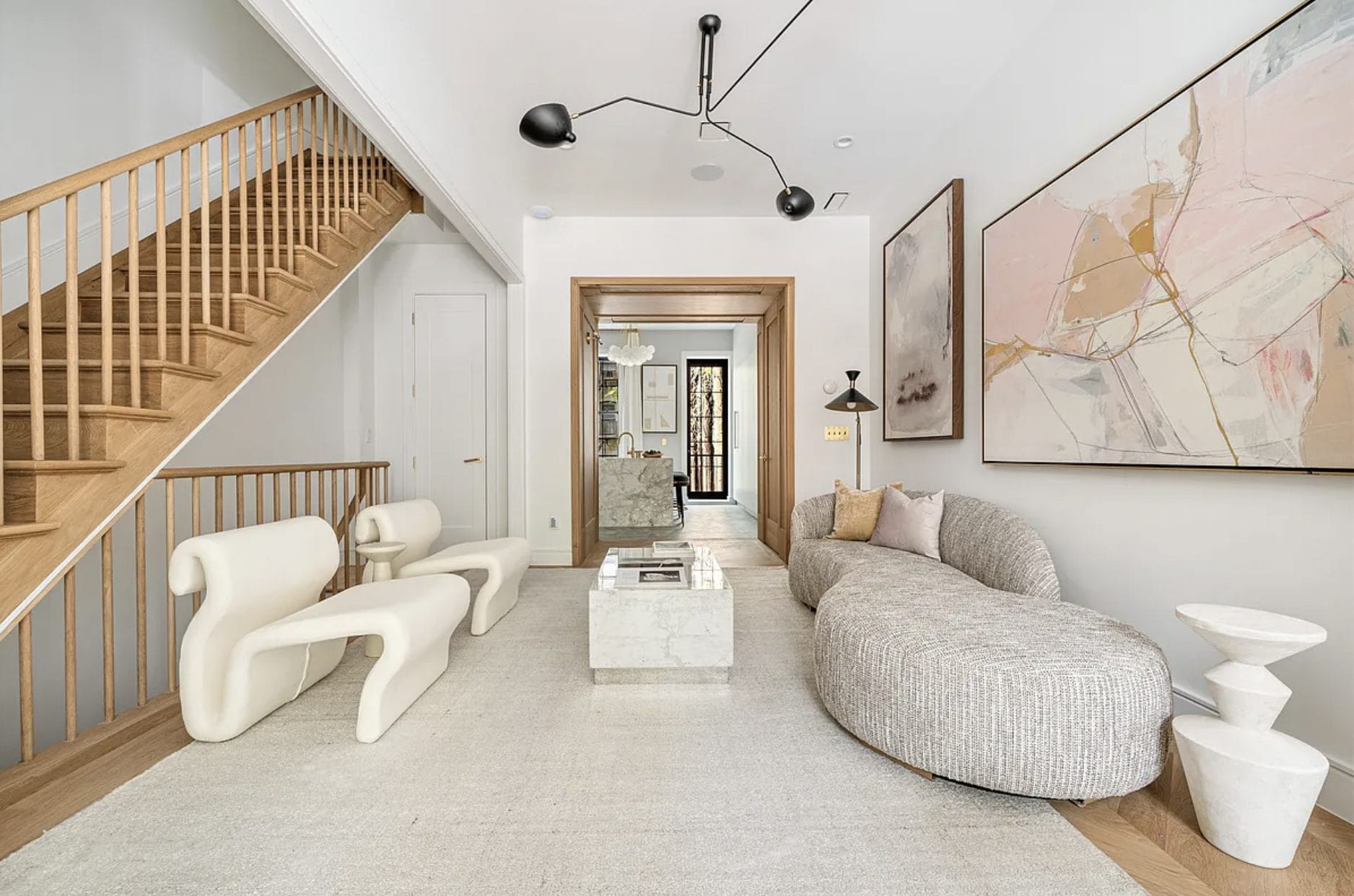
The spaces we inhabit quietly shape how we feel, think, and live. Home décor is not just about visual appeal—it directly influences comfort, emotional balance, productivity, and even social connection. When thoughtfully chosen, décor turns ordinary rooms into environments that support well-being and reflect personal identity.
The Psychological Impact of Decor
Our surroundings continuously interact with our minds. Colors, textures, and layout choices can either soothe or overstimulate the senses.
Well-designed decor helps to:
-
Reduce stress and anxiety through calming color palettes
-
Create emotional warmth using soft textures and balanced lighting
-
Improve mood by incorporating meaningful personal elements
For example, neutral tones paired with natural materials often evoke calm, while vibrant accents can energize a space without overwhelming it.
Comfort and Functionality Go Hand in Hand
Decor is most effective when it blends aesthetic beauty with everyday practicality. Furniture placement, lighting, and spatial flow all influence how comfortable a space feels.
Key comfort-enhancing decor elements:
-
Ergonomic furniture that supports posture and movement
-
Layered lighting (ambient, task, and accent lighting)
-
Open layouts that allow natural movement and airflow
When form follows function, daily routines become smoother and less physically draining.
Decor and Personal Identity
A home is often an extension of the people who live in it. Decor provides a visual language for expressing personality, values, and memories.
Personalized decor might include:
-
Artwork or photographs with emotional significance
-
Cultural or handcrafted items
-
Color schemes that align with personal taste
This sense of ownership and authenticity fosters emotional security and belonging.
Boosting Productivity and Focus Through Design
Decor plays a significant role in how effectively we work or study at home. A cluttered, poorly lit space can drain focus, while an intentional setup can enhance mental clarity.
Productivity-friendly decor choices include:
-
Minimalist layouts to reduce visual distractions
-
Natural light to support alertness and circadian rhythm
-
Organized storage solutions to maintain order
Even small changes—like repositioning a desk near a window—can yield noticeable improvements in concentration.
The Role of Nature in Interior Decor
Bringing elements of the outdoors inside has a measurable effect on quality of life. This approach, often referred to as biophilic design, reconnects people with nature.
Nature-inspired decor benefits include:
-
Lower stress levels
-
Improved air quality with indoor plants
-
A stronger sense of calm and balance
Natural materials such as wood, stone, and linen also add warmth and tactile comfort.
Social Well-Being and Shared Spaces
Decor influences how people interact within a space. Welcoming environments encourage conversation, relaxation, and connection.
Socially supportive decor focuses on:
-
Comfortable seating arrangements that face each other
-
Warm lighting that creates intimacy
-
Decorative accents that spark conversation
These elements make shared spaces more inviting, strengthening relationships and community bonds.
Long-Term Quality of Life Benefits
Thoughtful decor choices are not fleeting luxuries. Over time, they contribute to:
-
Emotional stability
-
Physical comfort
-
Greater satisfaction with living spaces
When a home supports both mental and physical needs, it becomes a foundation for a healthier, more fulfilling life.
Frequently Asked Questions (FAQs)
1. Can decor really influence mental health?
Yes, decor affects mood, stress levels, and emotional comfort through color, lighting, and spatial organization.
2. Is expensive decor necessary to improve quality of life?
No. Thoughtful choices, even on a budget, can significantly enhance comfort and well-being.
3. How often should home decor be updated?
There’s no fixed rule. Updates are helpful when your lifestyle, needs, or personal tastes change.
4. What decor elements have the biggest impact in small spaces?
Lighting, mirrors, and multi-functional furniture make the most noticeable difference.
5. Does minimalism improve quality of life for everyone?
Not necessarily. While minimalism reduces clutter for some, others thrive in more expressive environments.
6. How can decor support better sleep?
Soft lighting, calming colors, minimal clutter, and comfortable textiles help create a restful atmosphere.
7. Can decor influence family relationships?
Yes. Well-designed shared spaces encourage communication, relaxation, and positive interactions.