
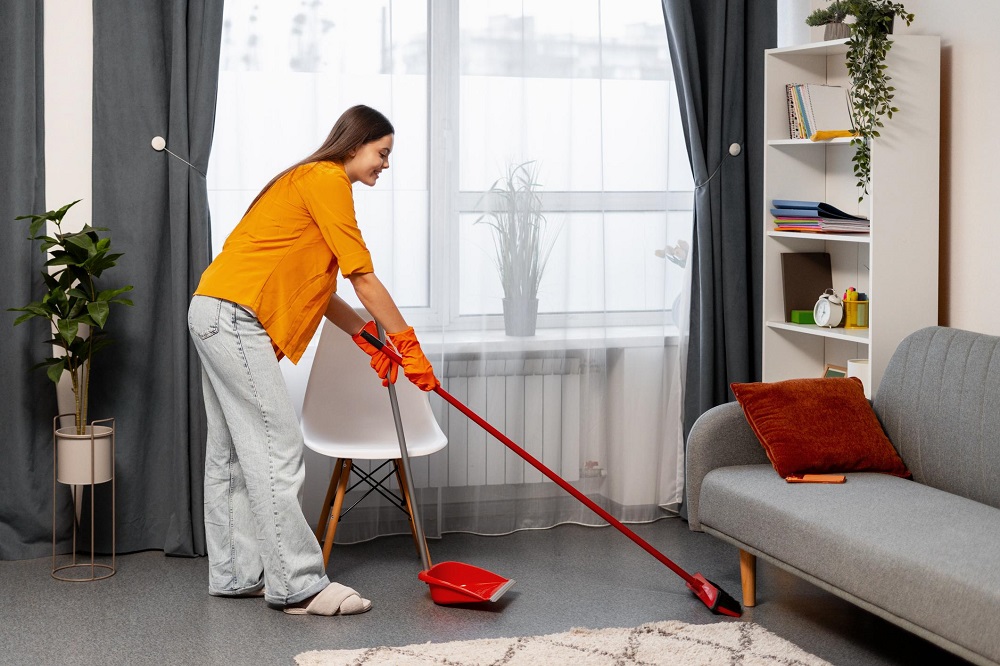
Regular daily cleaning is more than a routine chore—it acts as a preventive maintenance strategy that protects your home from costly repairs. Small habits performed consistently can stop structural damage, appliance failure, plumbing issues, and pest infestations before they begin.
This guide explains practical daily cleaning habits that help maintain your home efficiently while saving time, effort, and long-term expenses.
Why Daily Cleaning Prevents Costly Repairs
Minor dirt buildup, moisture accumulation, and unnoticed leaks often lead to expensive damage over time. A short daily routine helps detect early warning signs and keeps household systems functioning properly.
Benefits of daily cleaning habits include:
- Preventing mold growth and water damage
- Extending appliance lifespan
- Avoiding plumbing blockages
- Reducing pest attraction
- Protecting flooring and furniture surfaces
- Maintaining healthier indoor air quality
Even 10–15 minutes per day can significantly reduce maintenance risks.
Wipe Kitchen Surfaces After Every Use
Kitchen surfaces collect grease, moisture, and food particles quickly. If ignored, these residues damage countertops and attract insects.
Daily kitchen habits to follow:
- Wipe countertops after cooking
- Clean stovetops to prevent grease buildup
- Rinse sinks to avoid mineral stains
- Remove food crumbs from corners and shelves
These small steps prevent surface corrosion, pest infestation, and odor formation.
Keep Bathroom Areas Dry and Clean
Bathrooms are highly vulnerable to moisture-related damage. Daily attention helps avoid mold growth and tile deterioration.
Essential bathroom habits include:
- Wiping sinks after use
- Keeping mirrors dry
- Removing standing water near fixtures
- Checking corners for early mold spots
These actions help prevent tile damage, grout weakening, and hidden moisture buildup.
Sweep High-Traffic Floors Daily
Dust and debris act like fine sandpaper on floors. Over time, they scratch surfaces and reduce durability.
Areas to sweep regularly:
- Entryways
- Living rooms
- Kitchen floors
- Staircases
Daily sweeping protects flooring materials such as tiles, laminate, marble, and hardwood from premature wear.
Check for Small Water Leaks
Hidden leaks often begin as minor drips but quickly become expensive repair problems.
Inspect these areas briefly each day:
- Under kitchen sinks
- Around bathroom fittings
- Near washing machines
- Around water filters
Early detection prevents pipe corrosion, cabinet swelling, and mold formation.
Clean Appliance Exteriors Frequently
Appliances perform better and last longer when cleaned regularly. Dust buildup blocks ventilation and increases power consumption.
Daily appliance maintenance tips:
- Wipe refrigerator handles and surfaces
- Clean microwave interiors after spills
- Remove dust from ventilation areas
- Check washing machine doors for moisture residue
These habits reduce overheating risks and mechanical strain.
Remove Trash Before It Accumulates
Garbage buildup invites pests and creates unpleasant odors that can spread across rooms.
Best daily practices include:
- Empty kitchen trash bins
- Separate wet and dry waste
- Rinse reusable bins if necessary
- Keep lids tightly closed
This prevents cockroach activity, bacterial spread, and drainage blockage risks.
Declutter Surfaces Every Evening
Clutter hides damage and delays problem detection. Keeping surfaces clear helps identify maintenance needs early.
Focus on clearing:
- Dining tables
- Study desks
- Kitchen counters
- Entry shelves
An organized environment supports faster cleaning and reduces accidental spills or breakage.
Ventilate Rooms Properly Each Day
Fresh airflow controls humidity and prevents long-term structural issues.
Simple ventilation habits:
- Open windows for natural airflow
- Allow sunlight into damp areas
- Keep wardrobes slightly ventilated
- Use exhaust fans in kitchens and bathrooms
These steps reduce fungus growth and paint deterioration.
Inspect Doors, Windows, and Switchboards
Daily observation helps identify early warning signs of damage.
Look for:
- Loose hinges
- Dust accumulation in tracks
- Sticky locks
- Darkened switchboard corners
Addressing these issues early prevents mechanical failure and electrical hazards.
Build a Simple 10-Minute Daily Maintenance Routine
A short structured routine ensures consistency without stress.
Suggested sequence:
- Wipe kitchen surfaces
- Dry bathroom areas
- Sweep entry zones
- Check sinks for leaks
- Remove trash
- Open windows briefly
Consistency matters more than intensity when maintaining a healthy home.
Common Mistakes That Lead to Major Repairs
Avoid these habits that silently damage homes over time:
- Ignoring small water drips
- Leaving spills overnight
- Allowing grease buildup
- Blocking ventilation paths
- Skipping trash removal for multiple days
- Storing damp items in closed cabinets
Correcting these behaviors protects both property structure and appliances.
Frequently Asked Questions (FAQs)
1. How much time should daily cleaning realistically take?
Most preventive cleaning routines take only 10 to 20 minutes per day when performed consistently.
2. Which area of the home needs the most daily attention?
Kitchens and bathrooms require the most frequent cleaning because they collect moisture, grease, and bacteria quickly.
3. Can daily cleaning really reduce repair costs?
Yes. Regular cleaning helps detect early damage signs before they develop into expensive structural or appliance failures.
4. Is sweeping daily necessary for all homes?
Homes in dusty environments or with heavy foot traffic benefit most from daily sweeping to protect flooring surfaces.
5. How does ventilation help prevent maintenance problems?
Ventilation reduces humidity levels, preventing paint peeling, mold growth, and wood swelling.
6. Should appliances be cleaned daily or weekly?
Exterior surfaces should be cleaned daily, while deeper maintenance can be scheduled weekly or monthly.
7. What is the easiest habit to start with first?
Begin by wiping kitchen counters and checking for water leaks—these two habits alone prevent many common repair issues.


